Cooling Performance Issues: HVAC Repair in Kansas City MO
Kansas City summers have a special way of testing your HVAC system. The air can feel heavy by late morning, and by midafternoon it often matters less whether your thermostat “calls for cooling” and more whether your system can keep up with the heat and humidity load. I’ve been on enough service calls here to recognize the pattern: the homeowner describes comfort problems that sound simple, but the cause is usually a mix of airflow, refrigerant performance, airflow restriction, and sometimes plain old aging components.
This article walks through the most common cooling performance issues I see in Kansas City, MO, and how HVAC repair tends to sort them out. If you are searching for AC repair in Kansas City MO or HVAC repair in Kansas City MO, or you want to understand what a good HVAC contractor in Kansas City MO will check during troubleshooting, the details below are the same ones that matter in the real world.
When “the AC is running” still doesn’t mean “it’s cooling”
There are a few ways cooling problems show up, and homeowners often describe them in the exact same language they use for their own discomfort:
- The air from the vents feels cool, but the rooms never reach the thermostat setpoint.
- The AC works for a while, then performance drops.
- Humidity stays high, so the house feels sticky even when the temperature looks “about right.”
- The system short-cycles, starting and stopping more frequently than expected.
- The indoor coil frosts up, sometimes with a wet, icy patch near the refrigerant line area.
All of these can be connected to the same root categories. In most cases, you are dealing with either insufficient airflow, restricted airflow across the indoor coil, a refrigerant issue, a capacitor or blower motor problem, or a thermostat/control mismatch.
Kansas City homes also vary a lot by construction era. Older ductwork can leak and under-deliver supply air. Homes with certain return setups can struggle to maintain pressure balance, especially during very humid weather when air handling changes inside the envelope. That’s why troubleshooting has to look at the system as a whole, not just the part that seems to be “broken.”
The Kansas City heat and humidity factor
Temperature alone rarely tells the full story. The Kansas City region gets humid summers, and humidity changes what “good cooling” feels like. A properly operating AC doesn’t just lower air temperature, it also removes moisture as air passes over the indoor evaporator coil. If moisture removal fails, you can still have air that feels cool but doesn’t feel clean and comfortable.
Two comfort clues are helpful:
- If your house cools but stays clammy, think dehumidification, coil wetting, airflow rate, and refrigerant performance.
- If your house feels warm even with the system running, think airflow volume, thermostat or control issues, duct losses, and refrigerant capacity.
During peak humidity days, a system that barely meets the load on a “moderate” day can struggle. That’s when maintenance and system tuning stop being optional and start being noticeable.
Common cooling performance issues and what usually causes them
1) Weak airflow, the quiet culprit
If airflow is restricted, the indoor coil doesn’t get the temperature drop and moisture removal it needs. Weak airflow also forces the system to run longer and harder, which can lead to secondary problems like freezing or increased wear on the blower components.
The common reasons are usually mundane:
- dirty or clogged return filters
- an air handler blower wheel with dust buildup
- supply registers blocked by furniture, rugs, or closed dampers
- duct leakage from joints, boots, or poorly sealed transitions
- a blower motor that is tired, with low RPM at the moment it matters
I remember one call where the homeowner swore the AC “used to be strong.” The thermostat setpoint was correct, and the outdoor unit was running. When I pulled the filter and looked at the media, it was almost solid. The return path was starving the system, and the indoor coil never had a chance to operate properly. The fix was straightforward, but the lesson was not. Even a healthy system can feel broken if the airflow path is clogged.
2) Refrigerant problems, where diagnosis matters
If the refrigerant charge is off, cooling performance can drop, and humidity removal may suffer. Refrigerant issues can come from a leak, a past repair that wasn’t tuned correctly, or in some cases a service process that disturbed components.
Here is what often happens when refrigerant performance is incorrect:
- The system may blow air that feels only slightly cool.
- The indoor coil can frost up if the refrigerant conditions get off balance.
- The outdoor unit may run longer to chase temperature, while indoor comfort never arrives.
- You might see condensation patterns that look wrong, though visible signs alone are not enough for a reliable diagnosis.
Refrigerant troubleshooting should be done with proper instruments, including temperature measurements and pressure data that match the system’s design. A quick “it seems low” guess is risky because the symptoms overlap with airflow issues. A good HVAC repair visit in Kansas City, MO won’t treat refrigerant as the first answer. It will confirm what the system is doing and why.
3) Indoor coil icing and the airflow-refrigerant loop
Coil freezing is one of those problems that makes homeowners call fast because it’s dramatic. But the cause is frequently not “the refrigerant is bad” by default. Ice tends to be a symptom of reduced heat transfer, often from restricted airflow or a failure that reduces coil temperature control.
The classic scenario looks like this:
- airflow drops, sometimes due to a clogged filter or blower weakness
- the indoor coil gets too cold
- moisture in the air freezes on the coil surface
- as icing grows, airflow through the coil worsens
- performance continues to degrade, sometimes until the system shuts down or runs in a rough loop
If you ever see a frozen coil, don’t keep resetting the system and hoping it improves. Let a technician check the airflow pathway and refrigerant operation before you get stuck in a cycle that damages components.
4) Capacitors, contactors, and “it turns on but it doesn’t work right”
Many cooling complaints sound like “the AC works, but not like it should.” Electrical issues can match that description. A failing capacitor can cause the outdoor fan or compressor to struggle to start cleanly. A weak contactor can lead to intermittent operation that’s hard to reproduce, especially if the problem only appears during certain times of day.
What I look for during electrical troubleshooting:
- unusual startup sound patterns
- inconsistent blower speed
- outdoor unit fan not spinning at the right time or at the right strength
- repeat start-stop cycles that make the system run hotter than expected
Kansas City residents often notice this in summer storms. The power grid can experience spikes or drops, and an aging capacitor might show up only under stress. Even when electrical issues are subtle, they can still create comfort problems because cooling depends on matching the compressor and airflow to the designed operating conditions.
5) Thermostat issues and comfort math
A thermostat problem can be as basic as misplacement. If it’s mounted where sunlight hits it or near a cold draft from a door, the temperature reading can be wrong. But thermostat issues also involve programming logic, sensor faults, or wiring that intermittently loses connection.
Other control related issues that can look like an AC failure:
- the thermostat is set to fan-only mode
- wrong operating mode on a multi-stage system
- incorrect staging behavior during humid conditions
- a sensor that drifts slowly over time
The uncomfortable part is that thermostat issues can be confusing. The system can run and blow air, but the home never feels right because the control strategy is never actually maintaining comfort.
How HVAC contractors diagnose cooling performance in real time
A quality HVAC contractor in Kansas City MO will approach cooling complaints like an investigation, not a guess. That means checking the airflow path, verifying temperature and operational behavior, inspecting the indoor coil and blower system, then only moving into refrigerant evaluation after the basics are validated.
Here’s what that often includes in practice, described in plain terms.
First, they confirm system basics: the unit is actually operating in cooling mode, the thermostat settings are correct, and the fan behavior matches what the system is designed to do. Then they inspect airflow restrictions, because restricted airflow causes cascading problems that can mimic refrigerant issues. Dirty filters and blocked returns are common, and the fix is often cheaper than the temptation to jump straight to refrigerant.
Next, the technician observes the indoor and outdoor operation while measuring temperature changes. Cooling performance depends on heat transfer. If temperatures don’t shift in the expected way, it points to airflow or refrigeration capacity problems. If the system is short cycling, the technician will consider possible causes like low airflow, thermostat strategy, electrical issues, or even load mismatch.
Finally, the contractor checks refrigerant performance if airflow and operation checks don’t explain the symptoms. That step should be instrument-based and consistent with the system design. A good diagnosis reduces the chance of “fixing” the wrong thing.
Quick ways to narrow down what’s wrong before the technician arrives
You don’t need to be an expert to gather useful context. A few observations can help your AC service call move faster and reduce the amount of back-and-forth troubleshooting.
A short diagnostic checklist you can do at home
- Compare supply air temperature at a couple vents, and note whether it feels weak or near steady.
- Look for visible coil icing at the air handler if the system has been running and then pauses.
- Check and replace the air filter if it is dirty or clogged.
- Note whether comfort issues are worse at certain times, like afternoon heat or after storms.
- Make sure the thermostat is set to cool, not fan-only, and verify the setpoint matches your target comfort.
Keep in mind, this is not a substitute for a proper HVAC repair in Kansas City MO, but it’s a meaningful start. The most expensive calls are the ones where the technician arrives with no clear observations and the homeowner has already been resetting the system for hours.
When it’s time for AC repair versus AC maintenance
People often think “repair” and “maintenance” are opposites, like either something is broken or it’s not. In reality, AC maintenance in Kansas City is what prevents many cooling performance problems from ever reaching the “symptoms are obvious” stage.
Maintenance usually focuses on airflow cleanliness, checking and cleaning components where appropriate, verifying that the system is operating as expected, and identifying wear before it becomes a sudden failure. Cooling performance issues can develop slowly, and by the time they feel dramatic the system has already been running inefficiently.
Here are signs that lean toward maintenance or tune-up rather than a major repair event:
- The system cools, but comfort feels inconsistent.
- The AC runs longer during humid days than it used to.
- Indoor air feels a little more “stuffy,” even with the temperature stable.
- You notice gradual noise changes, like fan vibration.
You should lean toward repair when you see more urgent patterns, like frequent short cycling, coil icing, a complete lack of cooling, or electrical symptoms that look like the system struggles to start.
The trade-offs: airflow fixes, coil care, and refrigerant work
Not every cooling repair costs the same, and the best decisions depend on the symptoms you’re seeing. In real service work, I’ve watched homeowners face three common trade-offs:
- Replace versus repair on the spot. Sometimes an air handler blower motor or capacitor replacement solves the issue. Other times the system has multiple aging components and the total path involves more work than a single repair visit.
- Short-term comfort versus system efficiency. You can sometimes restore cooling temporarily, but if duct losses or airflow problems persist, the system will continue to struggle. A repair that restores airflow can feel like a bigger win than swapping a single part.
- Refrigerant repair versus verification. If a refrigerant issue is confirmed, it should be corrected properly. But jumping to refrigerant without validating airflow can lead to repeat visits, because the true cause may still be restriction or component performance.
A good HVAC contractor does not pressure a homeowner toward the most expensive line item. Instead, they explain what the measurements suggest, what the likely causes are, and what fixes align with the system’s actual behavior.
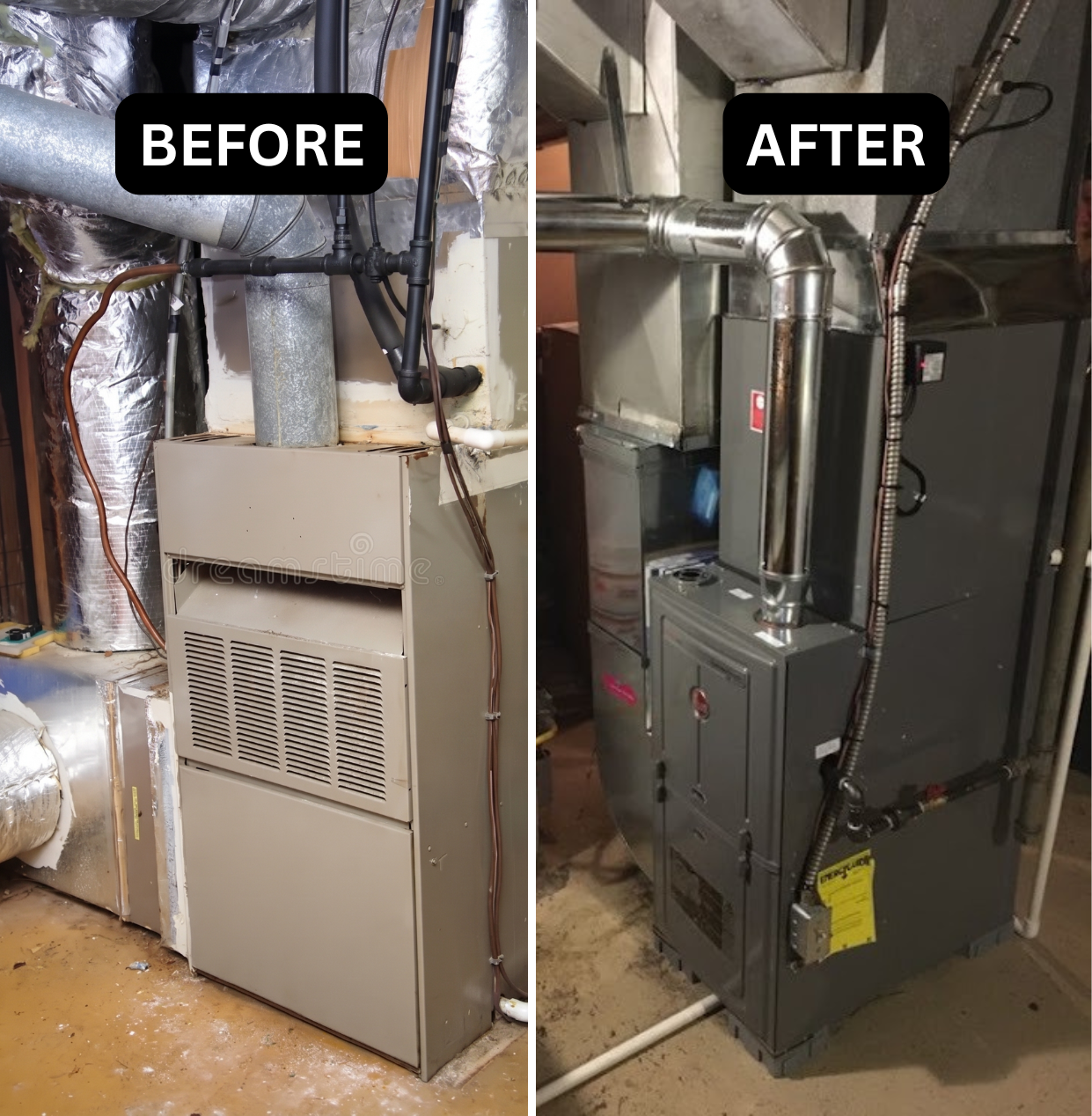
What about AC installation in Kansas City?
Not every cooling performance issue is solvable by repair. In some homes, the system might be undersized, older than it should be, or installed in a way that limits its ability to operate efficiently.
I’ve seen comfort problems persist even after repairs when the original equipment selection didn’t match the load. Kansas City AC repair in Kansas City MO houses can have large swings in solar gain, humidity load, and duct distribution losses. A modern AC installation should account for these, not just the square footage on paper.
If you’re considering AC installation in Kansas City because repeated repairs haven’t restored comfort, ask questions that force the conversation into real design considerations:
- How is airflow sized and distributed?
- Are ducts compatible with the equipment and system static pressure?
- Are you planning to address ventilation and humidity strategy?
- What does the proposed system do in the specific kinds of hot, humid days you actually experience?
The point isn’t to become your own engineer. It’s to make sure the solution you pay for matches the comfort problem you’re actually having.
Why “bigger AC” is not always better
It’s a common idea: if the house is uncomfortable, install a larger unit and the problem disappears. Sometimes it improves things temporarily, but oversized cooling can also create its own set of problems, especially in humid regions.
When a unit cools too fast, it can short-cycle through the humidity removal stage. The air temperature may drop, but the moisture stays. That leads to sticky comfort and can increase indoor humidity even if the thermostat reads “cold enough.”
This is another reason why diagnosis comes first. If your cooling performance is poor due to duct leakage or airflow restriction, a larger unit can mask symptoms without addressing the underlying system behavior. The best outcome comes from matching capacity and airflow to the home, not just increasing capacity.
A realistic timeline for repair and comfort recovery
Homeowners want a simple timeline, but cooling troubleshooting isn’t always a quick swap. Some repairs are fast. Others require deeper diagnosis, especially when refrigerant conditions and airflow interact.
What you can generally expect:
- If the issue is filter restriction, blocked ducts, or an obvious airflow problem, comfort can improve quickly after corrections.
- If electrical components like capacitors or blower motors are the cause, comfort usually follows after replacement, assuming airflow and refrigerant conditions are normal.
- If refrigerant performance is part of the issue, the repair and verification process takes additional time because the system needs to settle into stable operating conditions.
If your unit has been struggling for a while, there can also be secondary effects, like increased contamination on coils or accelerated wear on components. That makes the first “fix” less about one part and more about restoring stable operation.
How to prevent repeat cooling performance issues
Prevention is where AC maintenance in Kansas City becomes a real value, not just a seasonal chore. Cooling performance problems rarely show up as a single event. They accumulate.
Two habits help the most: keep the airflow path clean and schedule maintenance before the peak season. Filters should be replaced on time, and the air handler blower system should be kept within reasonable cleanliness. If you have pets or allergies, filter schedules often need adjustment. The right filter reduces restriction without choking airflow.
The second habit is paying attention to performance drift. If the AC seems weaker over a couple of weeks, it’s easier to address early. Once a system starts freezing coils or short cycling frequently, you’re already in damage potential territory.
When you call, what to expect from a good HVAC repair visit
If you reach out for AC repair in Kansas City MO or HVAC repair in Kansas City MO, the best calls feel like a conversation about the system’s behavior. You should expect the contractor to ask questions, observe patterns, and explain the reasoning behind the checks.
Here’s what to look for in the way the visit is conducted.
Signs you’re dealing with a quality contractor
- They verify thermostat settings and operating mode early, not just the outdoor unit.
- They inspect airflow restrictions like filters, returns, and supply paths.
- They measure temperature change and system behavior rather than guessing.
- They explain whether the issue points to airflow, electrical, coil performance, or refrigerant.
- They discuss maintenance steps that prevent the same symptoms from returning.
If you hear explanations that don’t match the symptoms you described, it’s okay to ask follow-up questions. A good technician will slow down and clarify.
Real-life example: when humidity felt like the problem, but the cause was airflow
A homeowner near North Kansas City called in late July. The AC “was blowing cold,” but the house felt damp, and the floors stayed clammy. The thermostat looked fine. The outdoor unit ran for long stretches. They had replaced the air filter right before calling, and they were frustrated because it didn’t fix anything.
When the air handler panel came off, the indoor coil area had dust buildup, and the blower wheel needed cleaning. Airflow over the coil was reduced enough that the system didn’t remove moisture the way it should. Once airflow was restored, the temperature reading didn’t have to change dramatically for comfort to improve. Humidity dropped, and the house felt livable again.
That’s one of those Kansas City lessons: cooling performance isn’t only about air temperature. It’s about heat transfer and moisture removal, and airflow is the bridge between the two.
Final thoughts on cooling performance problems in Kansas City
If your AC isn’t cooling the way it used to, your instinct might be to blame the thermostat or the outdoor unit. Sometimes you’re right. But in Kansas City, humidity load and airflow conditions turn small issues into noticeable comfort problems. A clogged filter, a blower that is slipping, a duct leak that wasn’t obvious before, or a coil that isn’t getting the right airflow can all create the same complaint: the air feels weak, the house feels sticky, and the system runs too long.
The smartest next step is a focused HVAC repair in Kansas City MO that treats the symptoms as clues and uses real measurements to find the cause. And if the system is older or repeated repairs are piling up, it may be time to talk about AC installation with a contractor who can match equipment and duct performance to your home’s actual needs.
If you’re dealing with cooling performance issues right now, take a close look at filter condition and airflow comfort, then get a diagnosis. The right fix usually restores comfort quickly, not after several trial-and-error visits.
All 4 One Heating & Cooling
5828 Woodland Ave, Kansas City, MO 64110, United States
816-699-8366
[email protected]
Website: https://all4onekc.com/